











- 판매자 배송
- Yoon Jung-Kang (지은이)한림출판사(Hollym)2014-12-12


 |


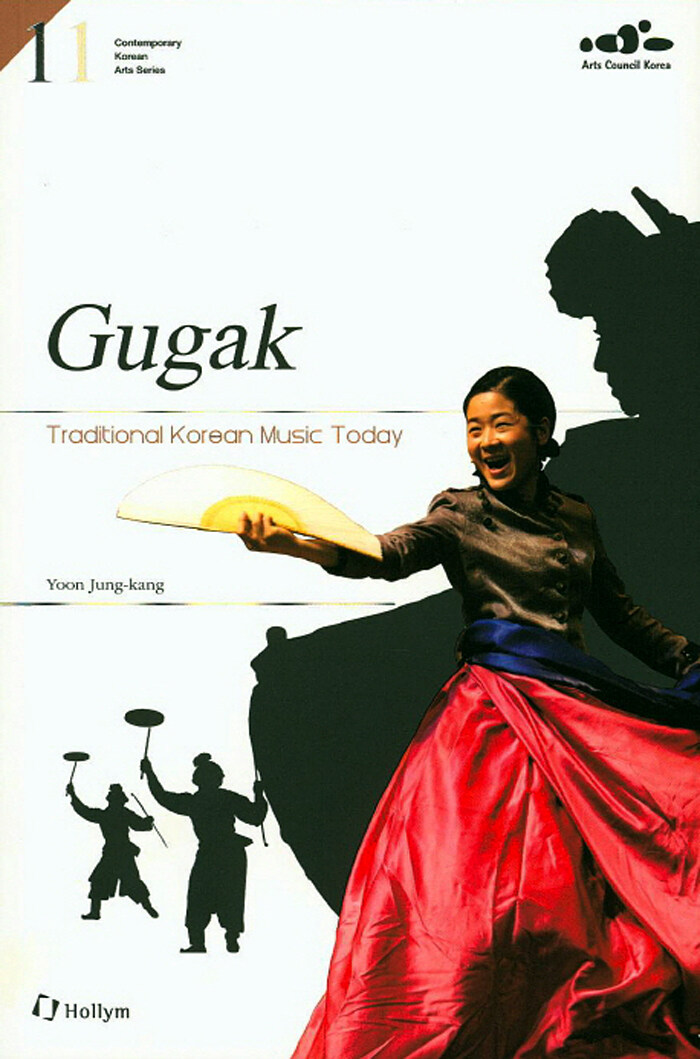
![[중고] GUGAK (TRADITIONAL KOREAN MUSIC TODAY)](https://image.aladin.co.kr/product/4726/91/cover500/1565913418_1.jpg)
- 새상품10,000원 9,500원 (
 500원)
500원) 
- 판매가7,900원 (정가대비 21% 할인)
- 상품 상태중
 500원)
500원) 
- 배송료택배 3,800원, 도서/산간 6,200원
- 최소주문금액0원
- 판매자


- [중고] GUGAK (TRADITIONAL KOREAN MUSIC TODAY) - 오늘날의 국악
- 7,900원 (정가대비 21% 할인) [중고-중]


보관함에 상품 담기

- US, 해외배송불가, 판매자 직접배송
- 중고샵 회원간 판매상품은 판매자가 직접 등록/판매하는 오픈마켓 상품으로, 중개 시스템만 제공하는 알라딘에서는 상품과 내용에 대해 일체 책임지지 않습니다.
| 새책 | 알라딘 직접배송 중고 | 이 광활한 우주점 | 판매자 중고 (9) |
| 9,500원 | - | - | 1,160원 |


계승을 넘어 확산과 창조를 위해
전통을 바탕으로 새로운 국악을 만들다
역사 속에서 한국인의 삶과 함께 발전해온 한국 전통음악인 국악은 단순히 ‘음악’에 한정된 것이 아니라 노래와 연주, 무용과 놀이까지 아우르는 총체예술의 성격을 가진 독특한 장르다. 지난 세기 근대화의 소용돌이 속에서 그 빛이 바랬던 국악은 지금 과거의 전통을 바탕으로 오늘의 국악을 만들고자 하는 광범위한 움직임 속에 변화하고 있다. 새로운 전통음악 창조에 대한 국악 현세대의 열망이 빚어낸 성과들이 국악의 역사를 새로 쓰고 있다고 해도 과언이 아니며, 월드뮤직으로서 국악의 가능성을 발견하고 이를 구체적으로 실현하고자 하는 노력도 절실히 요구되고 있다. 국악평론가 윤중강은 오늘날 국악계에서 활발하게 진행되고 있는 일련의 흐름들을 포착하는 『Gugak: Traditional Korean Music Today』(오늘날의 국악)을 통해 우리 국악의 다양한 시도와 그 성과, 그리고 21세기 국악의 새로운 지향점을 담아냈다.
이 책에서는 전통의 ‘계승’을 넘어 ‘확산’과 ‘창조’로 나아가고 있는 오늘의 국악을 8개의 테마로 나누어 살핀다. 1장에서는 가야금 명인 황병기부터 이자람, 불세출과 같은 젊은 신진 뮤지션에 이르기까지 국악의 새로운 흐름을 견인하는 대표적인 아티스트들을 소개하고 있으며 2장과 3장에서는 21세기 한국음악의 지향점을 보여주고 있는 뛰어난 창작 음악극들과 국립극장의 ‘여우락 페스티벌’ 등 21세기형 국악축제를 소개한다. 4장과 5장에서는 지금의 한국음악을 만들어낸 중견 작곡가 3인과 오늘날 새롭게 주목 받고 있는 한국 전통악기를 소개하며 국악기의 트렌드를 한눈에 보여준다. 6장, 7장, 8장을 통해서는 오늘날 한국음악의 세계적 교류 현황과 모범 사례, 그리고 이를 바탕으로 한 한국 음악의 새로운 패러다임을 제시하여 한국음악의 세계화를 위한 발전 방안을 도출하고 있다.
지난 20세기 제국주의의 침략과 서구 문화의 강력한 유입으로 인해 국악은 한동안 한국인의 삶에서 멀리 떨어져 있었다. 그러나 전통에 바탕을 두고 서구적인 성향과 대중적인 트렌드를 도입하여 빠른 템포로 변화하고 있는 우리 국악은 한류의 흐름을 타고 이제 월드뮤직으로서의 내일을 꿈꾸고 있다. 창작 국악을 주도하는 국공립 단체부터 개성 넘치는 젊은 아티스트들에 이르기까지 다양하게 펼쳐지는 창조적 역사를 따라가다 보면, 우리 국악의 새로운 가능성을 확인할 수 있을 것이다.
Over the course of Korean history, gugak?traditional Korean music? developed in an intimate relationship with the lives of the people. During the 20th century, the introduction of capitalism coupled with rapid inflows of Western culture erected a barrier between Korea’s traditional music and daily experience. However, in our new century, Korea is witnessing an attempt to shape gugak to fit the sensibilities of current generations and emerge ever more vigorous, with a greater focus on diffusing gugak rather than on succeeding to it. This paradigm shift has exerted considerable influence over national and public organizations, as well as on young private-sector artists working in the field of gugak. A number of events such as the Gugak Festival have served as venues to introduce the creative gugak efforts of young Korean artists to a broader international audience.
This book explores the potential of Korea’s “new gugak” from an affectionate point of view. In the first half of the book, introduction of new currents of gugak and creating musical dramas are introduced. Also, new Gugak Festivals for the 21st century and most important composers in Korea’s gugak orchestra stand out. In the latter half of the book, readers could check instruments which draw attention in the 21st century, the current exchanges between Korea, China, and Japan. The last chapter shows the new paradigm of Korean music to globalize the gugak.
A philosopher once stated, “All history is contemporary history.” We could imagine this statement as “All gugak is contemporary gugak.” If history is “an unending dialogue between the past and the present,” gugak serves as a bridge between the past and the present. A great number of endeavors to create contemporary gugak from this base of historical gugak are underway today in Korea. The old stance of simply inheriting traditions has shifted toward the pursuit of creative arts. All this movement will be extended even further, going on to emphasize the necessity of introducing novelty to the foundation of the traditional music of the past.


